Squash Bug SOS: Companion Planting and Organic Pest Control for a Bountiful Harvest
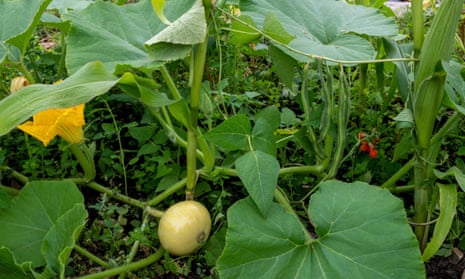
Oh, the joy of watching your squash plants flourish! The sprawling vines, the vibrant green leaves, and the promise of a delicious harvest of butternut, acorn, or spaghetti squash…it's truly a gardener's delight. But then, the dreaded squash bugs arrive, and suddenly that hopeful vision turns into a nightmare. You're not alone! Many gardeners struggle with these persistent pests. But don't despair! There are effective, organic solutions you can use to protect your precious squash and ensure a bountiful harvest. Let's dive in and explore some proven strategies for squash bug control, naturally.
The Power of Companion Planting
One of the most effective and natural ways to deter squash bugs is through companion planting. By strategically placing certain plants near your squash, you can create a less appealing environment for these pesky critters. Here are a few superstar companions to consider:
1. Radishes: A Spicy Deterrent
Radishes are more than just a crunchy addition to your salad; they're also excellent squash bug repellents. Planting radishes around the base of your butternut, acorn, and spaghetti squash plants can significantly reduce squash bug infestations. The pungent scent of radishes acts as a natural deterrent, confusing the squash bugs and making it harder for them to find your squash. Plant radishes close to the base of each squash plant in late spring for optimal protection. A continuous succession of radish planting helps maintain a consistent aroma throughout the growing season.
2. Nasturtiums: A Beautiful Trap Crop
Nasturtiums are not only visually stunning with their vibrant orange, yellow, and red blooms but also serve as a fantastic trap crop for squash bugs. Squash bugs are highly attracted to nasturtiums, so planting them on the perimeter of your squash patch will lure the bugs away from your precious squash plants. The bugs will prefer the nasturtiums, leaving your squash relatively untouched. Regularly inspect the nasturtiums and remove any squash bugs you find to prevent them from spreading.

3. Marigolds: A Scent They Can't Stand
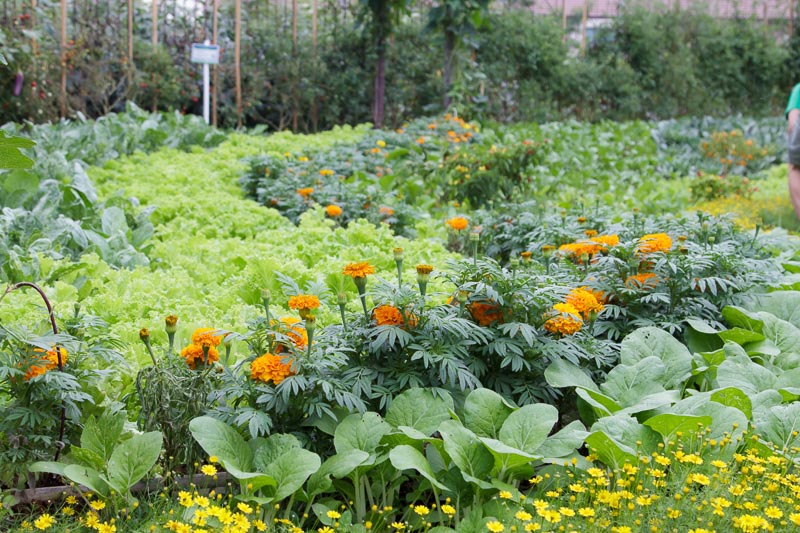
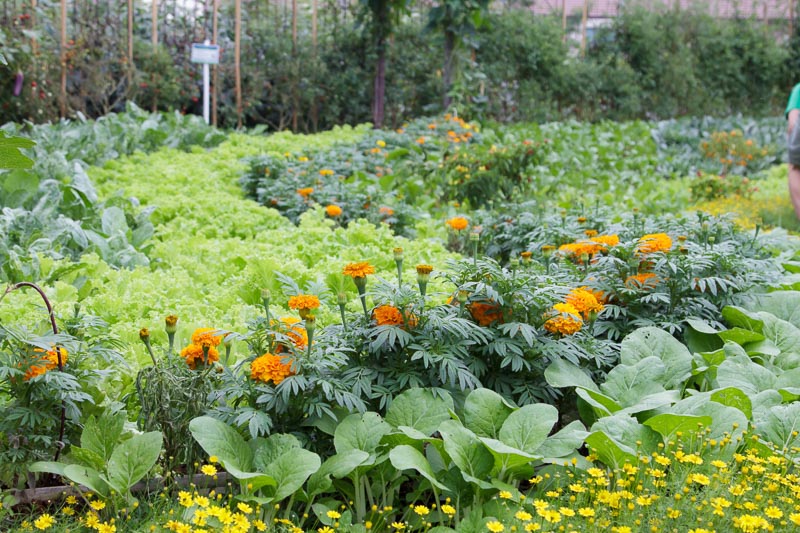
Marigolds, especially French marigolds (Tagetes patula), are renowned for their pest-repelling properties. Their strong, distinctive scent is particularly effective at repelling squash bugs. Interplant marigolds directly amongst your squash plants to create a protective barrier. Not only will they help keep squash bugs away, but they also add a cheerful splash of color to your garden.
Organic Pest Control Methods
In addition to companion planting, there are several organic pest control methods you can use to combat squash bug infestations:
1. Neem Oil: A Natural Insecticide
Neem oil is a powerful, naturally occurring insecticide that can effectively control squash bugs. It works by disrupting the bugs' feeding and reproductive cycles. To use neem oil, dilute it with water according to the product instructions (usually about 2 tablespoons per gallon of water). Spray the solution directly onto the squash bugs and the undersides of the leaves, where they often hide. Apply neem oil in the late afternoon or early evening to avoid burning the leaves in direct sunlight. Always follow product instructions carefully.
2. Row Covers: A Physical Barrier
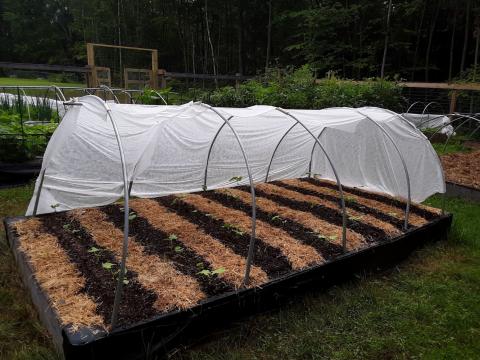
Row covers are lightweight fabrics that you can use to physically prevent squash bugs from accessing your plants. Install row covers immediately after planting in late spring, ensuring they are securely anchored to the ground. This will prevent the bugs from laying eggs on your squash plants. Remove the row covers once the plants begin to flower to allow for pollination by bees and other beneficial insects. Remember to hand-pollinate if you observe little pollinator activity.
Additional Tips for a Squash-Bug-Free Garden
Here are a few more tips to help you keep squash bugs at bay:
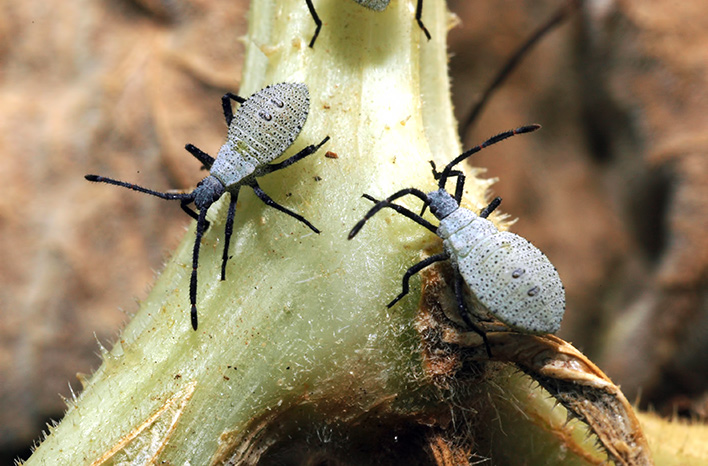
- Regularly Inspect Your Plants: Check your squash plants regularly for squash bugs and their eggs (small, brown clusters usually found on the undersides of leaves). Remove any bugs or eggs you find by hand or with a strong jet of water.
- Handpicking: While it may sound tedious, handpicking squash bugs, especially early in the season, can make a big difference. Drop them into a bucket of soapy water to dispose of them.
- Good Garden Hygiene: Remove any plant debris from your garden at the end of the season to eliminate overwintering sites for squash bugs.
- Encourage Beneficial Insects: Attract beneficial insects like parasitic wasps and tachinid flies, which prey on squash bugs, by planting flowers that provide nectar and pollen.
Long-Term Soil Health and Pest Management
To ensure a healthy and sustainable garden, consider these long-term strategies:
- Crop Rotation: Rotate your crops each year to disrupt pest cycles and prevent squash bugs from building up in one area.
- Cover Cropping: After harvesting your squash, plant a cover crop like buckwheat to improve soil health and suppress weeds. Buckwheat is a fast-growing cover crop that adds organic matter to the soil and attracts beneficial insects.

Conclusion
Don't let squash bugs ruin your squash harvest! By implementing these companion planting techniques and organic pest control methods, you can protect your butternut, acorn, and spaghetti squash and enjoy a bountiful harvest. Remember to rotate your crops each year and plant buckwheat as a cover crop after harvesting squash to improve soil health and disrupt pest cycles. Happy gardening!