Shed to Coop: Building a Cold-Climate Chicken Paradise for Australorps
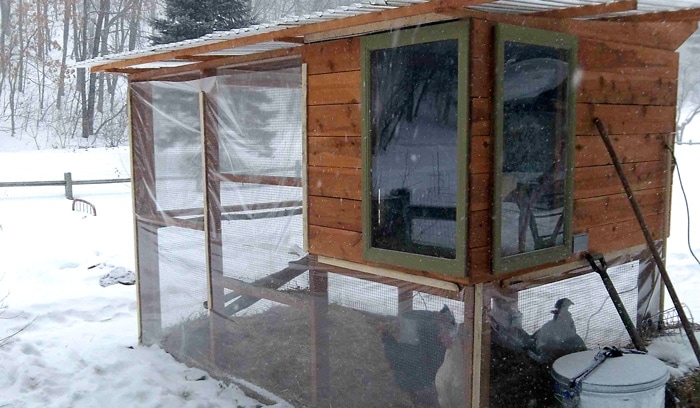
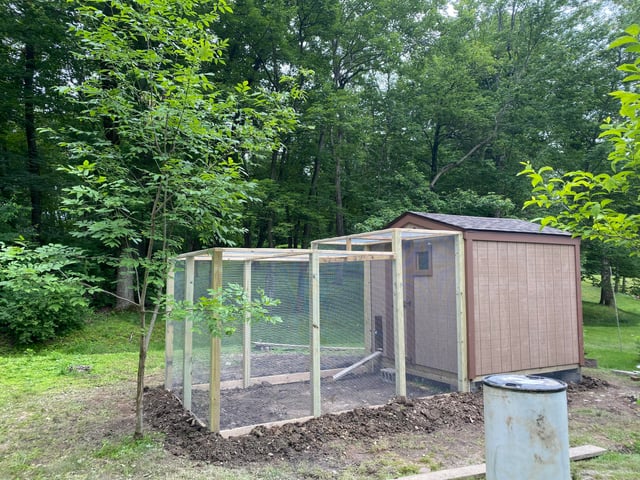
Imagine stepping out on a crisp winter morning, the air biting at your cheeks, and collecting a basket full of warm, brown eggs. That's the joy of raising chickens, and it's a surprisingly achievable dream, even in colder climates. And when it comes to egg-laying prowess and cold-hardiness, the Australorp breed truly shines. Building a new coop can be expensive, but upcycling an existing structure – like that old shed in your backyard – is an affordable and environmentally friendly way to get started on your backyard chicken adventure. Converting a shed to a chicken coop is not only a great way to repurpose existing materials and save money, but also provides a secure and weatherproof home for your flock. Let's get started and turn that forgotten shed into a haven for your Australorps!
Assessing the Shed
Before you start swinging a hammer, take a good hard look at your 10ft x 12ft shed. This is crucial for ensuring the safety and comfort of your future flock. Converting a shed to chicken coop in zone 4 requires careful planning to create a suitable environment for your birds.
Structural Integrity: Check the framing (usually 2x4 lumber) for rot, warping, or insect damage. Pay close attention to the areas where the wood meets the ground or roof, as these are most vulnerable to moisture. Give the foundation a good inspection, looking for cracks or settling. A solid foundation is key to keeping predators out and ensuring the coop lasts for years. If any of the lumber is compromised, replace it with pressure-treated wood.
Damage Assessment: Identify and note all areas needing repair. This may include patching holes in the walls, replacing damaged siding, or fixing leaks in the roof. Weatherproofing is essential. A leaky roof will lead to damp bedding and sick chickens.
Layout Planning: Envision the inside of your coop. Where will the nesting boxes go? How about the roosting bars? Where will you place the food and water to minimize mess? Australorp chicken coop size requirements suggest at least 4 square feet of coop space per chicken, so your 10x12 shed is perfect for a small flock.
Foundation & Roof: Ensure you have a solid, level foundation, whether it's concrete, gravel, or a sturdy wooden frame. Check the roof for leaks and make sure it's weatherproof. A well-maintained roof is vital for keeping your chickens dry and warm during the winter months.
Insulation and Weatherproofing
If you live in a USDA Zone 4 climate, insulation is not optional—it's essential for your chickens' well-being. Building insulated chicken coop for winter will protect them from the harshest conditions.
Wall and Ceiling Insulation: Rigid foam insulation with an R-value of at least 5 per inch is your best bet. Measure the inside of the shed walls and ceiling, and cut the insulation to fit snugly. Use foil tape to seal all the seams between the insulation boards. This will prevent drafts and moisture from getting in. Cover the insulation with plywood or OSB to protect it from pecking chickens and to create a more durable surface.
Floor Insulation: If your shed has a wooden floor, consider insulating it as well. You can use the same rigid foam insulation method. Be sure to install a vapor barrier between the insulation and the floor to prevent moisture buildup. If the shed is on a concrete slab, consider a thick layer of bedding to provide insulation from the cold.
Sealing Gaps: Weatherstrip around all doors and windows to prevent drafts. Use caulk to seal any cracks or gaps in the walls or foundation. Proper sealing is crucial for winterizing chicken coop.
Heated Waterer: A thermostatically controlled heated waterer is a must-have in cold climates. This will ensure your chickens always have access to fresh, unfrozen water, which is vital for their health and egg production.
Safe Heat Lamp (Use Sparingly): For extreme cold snaps, a simple, safe heat lamp with a wire guard can provide extra warmth. Safety is paramount: choose a low-wattage bulb, secure the lamp to prevent it from falling, and keep it away from flammable materials like bedding. Only use it when absolutely necessary, as chickens need to acclimate to colder temperatures naturally.
Building the Chicken Coop Interior
Now for the fun part: creating a comfortable and functional living space for your Australorps! A well-designed interior contributes significantly to your flock's well-being and egg production.
- Nesting Boxes: Build nesting boxes from reclaimed wood. Aim for a size of 12"x12"x12" per box. Elevate them off the ground to discourage rodents. A good rule of thumb is to provide one nesting box for every 3-4 hens. Line them with straw or wood shavings to create a cozy spot for laying eggs.
Roosting Bars: Australorps love to roost! Use 2x4 lumber to build roosting bars. Place them at varying heights (18-36 inches off the ground) to accommodate their natural perching behavior. Provide at least 8-10 inches of roosting space per chicken.
Feed and Water Area: Designate a specific area for feed and water to minimize spillage. Consider using raised feeders and waterers to keep the bedding clean and dry.
Ventilation: Proper ventilation is crucial, even in cold weather. Install vents near the top of the coop to allow for airflow without creating drafts. Chicken coop ventilation cold weather is essential for preventing moisture buildup and ammonia fumes. You can install small windows that can be opened during warmer days.
Bedding: Pine shavings are an excellent choice for bedding. They're absorbent, easy to clean, and help control odors. Avoid cedar shavings, as they can be harmful to chickens.
Constructing the Chicken Run
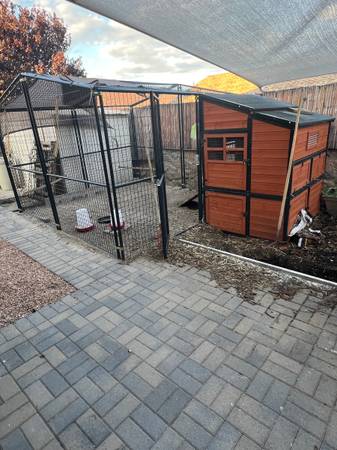
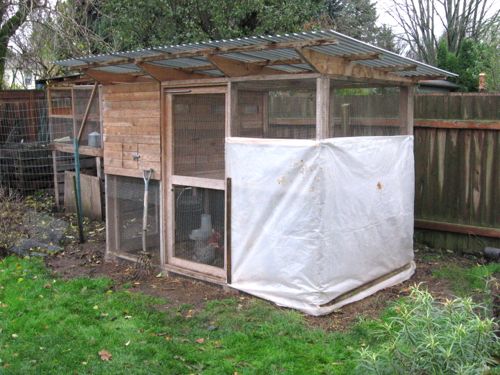
A secure chicken run is vital for protecting your Australorps from predators. Building a chicken run cold climate requires attention to detail and strong materials.
Hardware Cloth: Use galvanized hardware cloth (1/2 inch mesh) to enclose the run. Hardware cloth is much stronger than chicken wire and will prevent predators like foxes, raccoons, and even determined dogs from getting in.
Bury the Wire: Bury the hardware cloth at least 12 inches underground to deter digging predators. You can also add an "apron" of hardware cloth extending outwards from the run to further prevent digging.
Covered Area: Provide a covered area within the run to protect the chickens from rain, snow, and sun. This can be as simple as a tarp or a more elaborate roof structure.
Drainage: Add a layer of sand or gravel to the run to improve drainage and prevent muddy conditions.
Door: Construct a sturdy door leading into the run from the coop and another leading from the run to a larger foraging area (if applicable). Ensure the doors are secure and easy to operate.
Pest Control with Diatomaceous Earth
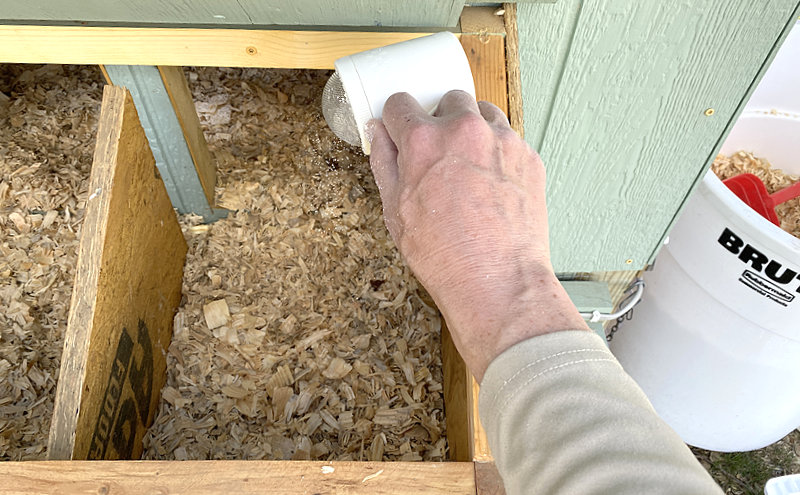
Pests can be a problem in any chicken coop, but diatomaceous earth (DE) offers a natural and effective solution. Diatomaceous earth chicken coop pest control is safe and easy to use.
What is DE? Diatomaceous earth is a naturally occurring sedimentary rock that is ground into a fine powder. It's composed of fossilized diatoms (a type of algae).
How it Works: DE works by dehydrating insects. The microscopic, sharp edges of the diatom fossils scratch the insects' exoskeletons, causing them to lose moisture and die.
Application: Apply DE to the coop floor, nesting boxes, and dusting areas within the run. Use a duster or simply sprinkle it around.
Food Grade: Always use food-grade DE, as it is safe for chickens and humans. Wear a mask during application to avoid inhaling the dust.
Reapplication: Reapply DE after rain or cleaning the coop.
Dust Bath: Add DE to the chicken's dust bath area to help prevent mites and lice.

Introducing Your Australorps
Introducing your new Australorps to their coop should be a gradual and stress-free process. How much space do Australorp chickens need? Give them plenty of room.
Acclimation: Start by keeping the chickens confined to the coop for a few days so they can get used to their new surroundings.
Food and Water: Provide plenty of fresh food and water. Show them where the food and water are located.
Monitoring: Observe the chickens for signs of stress or illness, such as lethargy, ruffled feathers, or decreased appetite.
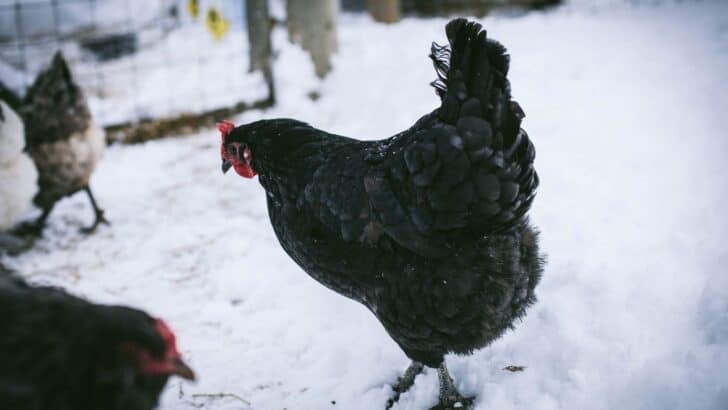
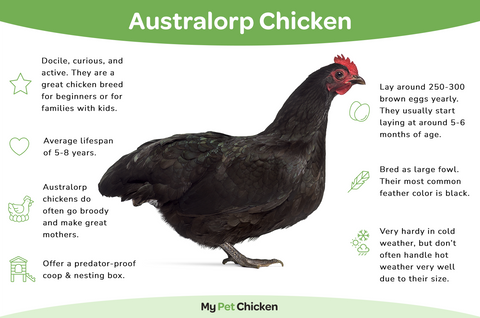
Australorp Traits: Australorps are known for their docile temperament and excellent egg-laying productivity. They are a great breed for beginners.
Conclusion
Building a chicken coop from reclaimed materials is a rewarding and sustainable way to provide a comfortable and safe home for your flock. And by choosing Australorps, you're investing in a breed known for its hardiness, egg-laying ability, and gentle nature – making them perfect for cold climates. So, take that old shed, grab your tools, and get ready to embark on a journey of self-sufficiency and fresh eggs! Embrace sustainable homesteading practices and enjoy the satisfaction of providing for yourself and your family. Your backyard chicken adventure awaits!